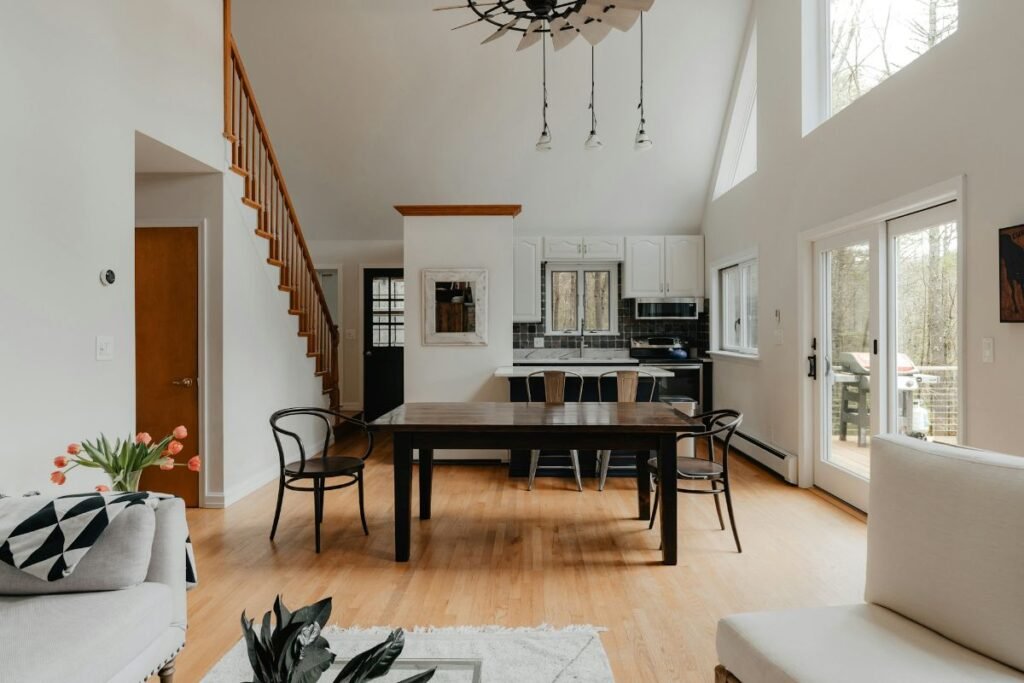
Renovation begins with excitement and a vision board but it often ends with a calculator and surprise expenses. Most homeowners plan for tiles, cabinetry, and furniture but forget considering the nitty-gritties of home renovation. Few plan for the cost that comes with home renovation and reshapes the final bill.
At Livspace, designers often say that structure builds a house and it is the details that turn it into a home. Materials define durability, but finishes define personality and comfort. The difference lies in how thoughtfully every corner, surface, and fitting comes together.
The Cost Nobody Talks About: Finishes and Final Touches
When you review your renovation budget, you see clear prices from flooring, to wallpapers and civil work, electrical upgrades, carpentry and everything that makes a house a home. As the project nears completion, you suddenly need curtain rods, light fixtures, wall trims, handles, mirrors, décor accents, and custom paint finishes. These details rarely sit inside the core estimate but play a major role in shaping the entire visual experience.
This is where many homeowners feel strain of exceeding the budget. Finishes usually account for 10 to 20 percent of total renovation cost, depending on scope and material selection. The range varies by city and brand choice. However, the impact on aesthetics remains consistent.
A well-designed room without thoughtful finishing looks incomplete. A modest room with refined detailing feels intentional.
Why Finishes Matter More Than You Think
Design magazines highlight statement walls and layered lighting for a reason. These elements add depth and personality but also require separate budgeting.
When you consider unique wall decor for living room spaces, a sculptural panel, textured paint, or curated gallery wall elevates a neutral layout. However, these additions require materials, hardware, and installation effort.
Wall paint ideas also extend beyond a simple color coat. Textured finishes, limewash, or dual-tone concepts involve additional labor and product cost. Even premium paints differ significantly in price compared to standard emulsions.
Livspace designers help you make your renovation planning journey easier by accounting for such choices early in the planning stage. This prevents last-minute compromises that dilute the design vision.
Children’s Rooms and the Detail Trap
Parents often focus on furniture for kids’ rooms, where customised beds, study tables, and wardrobes become priority. However, children’s room decor ideas extend beyond furniture placement.
Wall decals, chalkboard paint, soft boards, themed lighting, and playful storage baskets create character. Safety hardware and rounded-edge fittings also add cost. These features protect children and enhance usability.
Without planning for these details, homeowners either overspend or skip essential elements.
A cohesive children’s room requires careful budgeting from day one.
Lighting: The Silent Budget Expander
Lighting often shifts from a basic necessity to a design feature. Recessed lights form the base layer. Accent pendants, wall sconces, and cove lighting add dimension.
Decorative lighting fixtures vary widely in cost. Imported pieces or designer collections increase the budget further. Smart lighting systems add another layer of expense.
Many homeowners assume lighting remains part of electrical work. In reality, decorative fixtures sit outside standard wiring costs.
Livspace typically prepares a separate lighting plan. This ensures both functional and aesthetic needs align with the overall budget.
Hardware, Handles, and Hidden Additions
Small items quietly add up not only to the personalised details but also to the cost of the home.
Premium cabinet handles, soft-close channels, drawer organizers, and built-in accessories improve usability. Branded hardware costs more than generic options. However, it enhances durability and daily comfort.
The same applies to bathroom fittings. Upgraded faucets and shower systems elevate the space instantly. Yet they require a separate allocation beyond tile and plumbing work.
Even door stoppers and magnetic catches add incremental cost. Individually small, collectively substantial.
Styling and Room Decorating Beyond Structure
Room decorating does not end when carpentry finishes. It begins there.
Soft furnishings like rugs, cushions, curtains, and artwork complete the space define mood and warmth. These elements rarely sit inside structural renovation quotes.
When homeowners forget this allocation, they move into a half-finished home. The structure looks complete. The feeling remains unfinished.
Livspace integrates styling guidance within its design process. This creates a smoother transition from construction to lived-in comfort.
How to Budget Smartly from the Start
The simplest strategy involves allocating a finishing reserve. Experts often recommend keeping 15 percent of the total renovation budget for detailing and décor.
Discuss these categories early:
- Decorative lighting fixtures
- Premium wall paint ideas or textures
- Unique wall decor for living room focal points
- Children’s room accessories and themed elements
- Soft furnishings and final styling
When you compare the modular kitchen price per sq ft, also ask about accessories and hardware upgrades. Clarify what sits inside the base quote and what remains optional.
Transparency prevents frustration later.
The Livspace Advantage: Planning Before Spending
Livspace approaches renovation as a layered process. Designers assess structural needs first. They then map out materials, finishes, and décor elements in parallel.
This integrated planning reduces cost surprises. Homeowners receive clarity on inclusions and exclusions. They understand where upgrades affect the final bill. They also gain visual previews before execution begins.
Such foresight protects both budget and design intent.
A renovation should feel exciting, not uncertain. The right planning converts hidden costs into informed choices.


 By Business Scoops.