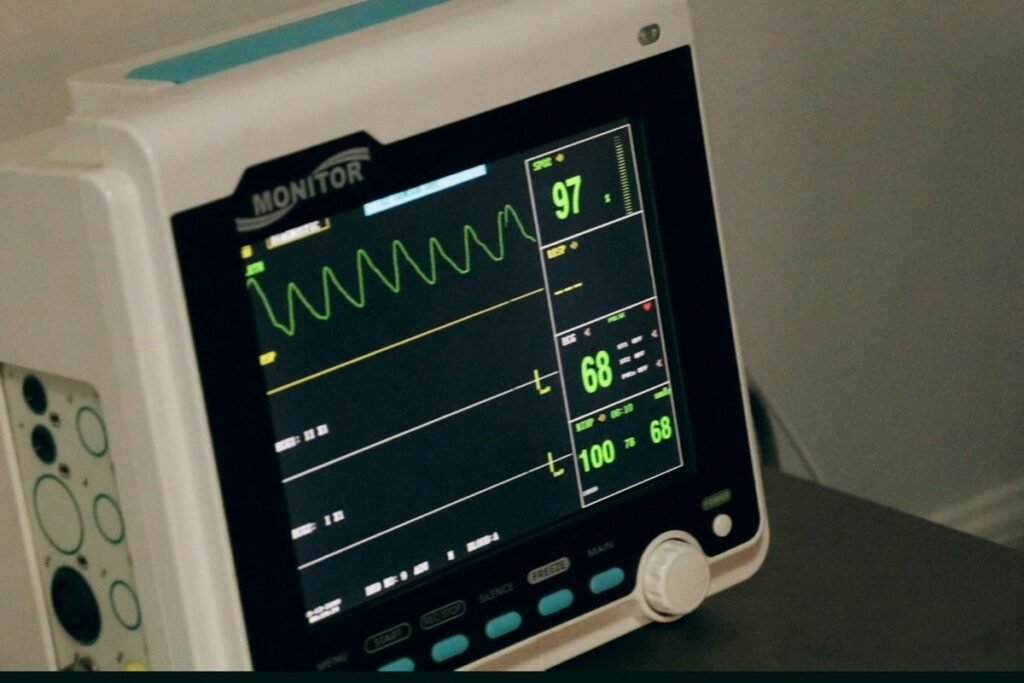
Your heart works continuously to pump blood throughout your body. To ensure it is functioning properly, doctors often rely on cardiac monitoring. This process tracks your heart’s electrical activity and records how it beats over time. By doing this, medical professionals can detect unusual patterns and identify potential problems early.
These monitoring methods are used both in hospitals and at home. They give doctors valuable insight into your heart’s performance and help prevent serious complications. The main goal of cardiac monitoring is simple—catch any irregularities early and protect your long-term health.
Why Does Your Heart Need Monitoring?
A healthy heart usually beats in a steady and regular rhythm. However, sometimes the rhythm becomes irregular. These irregular heartbeats are known as arrhythmias.
One of the challenges with arrhythmias is that they often do not cause obvious symptoms. You may feel slightly tired, dizzy, or lightheaded, but these signs are easy to ignore. In many cases, people do not realise something is wrong until the condition becomes more serious.
This is where monitoring becomes important. By using cardiac monitoring, doctors can detect these hidden changes early. Early detection allows for timely treatment, which can prevent complications such as heart failure or stroke.
When a condition is identified in its early stages, it is much easier to manage. This not only improves your health but also reduces the risk of long-term damage to your heart.
Who Benefits from Cardiac Monitoring?
Many people can benefit from heart monitoring, especially those with known risk factors or existing heart conditions.
- People with high blood pressure
- Individuals with a history of heart disease
- Patients who have experienced a heart attack
- Those recovering from heart surgery
- Individuals with a family history of heart problems
In addition, anyone experiencing unusual symptoms should consider getting checked. These symptoms may include:
- Heart palpitations (feeling like your heart is racing or skipping beats)
- Chest discomfort
- Dizziness or fainting
- Shortness of breath
Even if these symptoms seem mild, they should not be ignored. They could be signs of an underlying issue that requires attention.
Doctors may also recommend monitoring as a preventive measure. If you are at risk, regular check-ups using cardiac monitoring can help detect problems before they become serious.
Common Types of Heart Monitoring
There are different types of monitoring devices, each designed for specific needs.
Electrocardiogram (ECG)
An electrocardiogram, or ECG, is one of the most common tests. It records the electrical signals of your heart during a short period. This test is quick and painless, usually done in a clinic or hospital.
An ECG gives doctors a snapshot of your heart’s activity. While it is useful, it may not always capture irregularities that occur occasionally.
Holter Monitor
A Holter monitor is a portable device that records your heart activity over 24 to 48 hours. You can carry on with your normal routine while wearing it.
This type of cardiac monitoring is helpful for detecting irregularities that do not appear during a short ECG test. It provides a more complete picture of how your heart behaves throughout the day.
Event Monitor
Event monitors are used for longer periods, sometimes weeks. They record heart activity only when you experience symptoms or when the device detects an abnormal rhythm.
These are especially useful for people who have infrequent symptoms.
Implantable Monitors
In some cases, doctors may recommend a small device placed under the skin to monitor the heart continuously over months or even years. This is usually suggested for patients with unexplained symptoms or serious conditions.
The Real-World Benefits
Monitoring your heart offers several important benefits. One of the biggest advantages is peace of mind. Knowing that your heart is being observed helps reduce anxiety for both you and your family.
Another key benefit is accurate diagnosis. Instead of guessing, doctors can rely on real data collected through cardiac monitoring. This allows them to create a treatment plan that suits your specific condition.
Early detection is perhaps the most important benefit. Many serious heart problems develop slowly over time. By identifying them early, doctors can take steps to prevent complications such as heart attacks or strokes.
Monitoring also helps manage existing conditions. If you are already receiving treatment, regular tracking allows doctors to adjust medications and therapies as needed.
Taking the Next Step
If you have concerns about your heart health, it is important not to ignore them. Speak with your doctor about whether monitoring is right for you.
The good news is that most monitoring methods are simple, painless, and non-invasive. They do not interfere with your daily routine and can provide valuable insights into your health.
Your heart works tirelessly every single day. Taking steps to protect it is one of the most important things you can do for your overall well-being.
Starting a conversation with your healthcare provider about cardiac monitoring could be the first step towards better heart health. Early action, regular check-ups, and awareness can make a significant difference in keeping your heart strong and healthy for years to come.





 By Business Scoops.