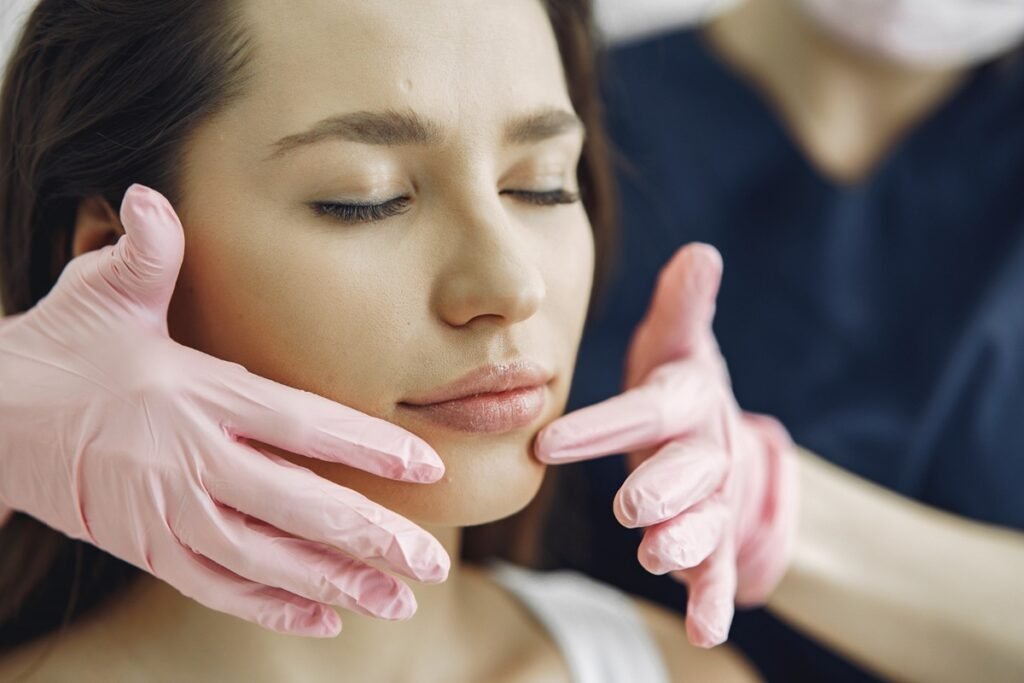
Cosmetic treatments have become far more accessible than they once were, and among them, Lip Fillers continue to dominate conversations around subtle aesthetic enhancements. Whether it’s to restore lost volume, refine lip shape, or achieve a fuller look, the appeal is understandable. But alongside the growing popularity comes a fair question—how safe are they really?
If you’re considering this treatment, it’s worth going beyond surface-level trends to understand what Lip Fillers entail, how they work, and the risks and precautions associated with them.
What Exactly Are Lip Fillers?
Lip fillers are injectable substances designed to add volume, structure, and definition to the lips. Most modern treatments use hyaluronic acid (HA), a naturally occurring substance in the body that helps retain moisture and create a plump appearance.
Unlike older filler materials, HA-based options are temporary and can be adjusted or dissolved if needed. This flexibility is one of the main reasons Lip Fillers are widely preferred today.
Are Lip Fillers Safe?
In general, Lip Fillers are considered safe when administered by a qualified and experienced professional. Regulatory bodies across many countries approve hyaluronic acid fillers for cosmetic use, and millions of treatments are performed each year without complications.
That said, “safe” doesn’t mean risk-free.
Like any cosmetic or medical procedure, there are potential side effects and considerations to keep in mind. The safety of your experience depends on three factors:
- The practitioner’s expertise
- The quality of the product used
- Your own health and suitability for the treatment
Common Side Effects You Should Expect
After getting Lip Fillers, it’s normal to experience mild and temporary reactions. These typically settle within a few days and may include:
- Swelling
- Redness
- Tenderness
- Minor bruising
These are part of the body’s natural response to injections and usually don’t require intervention.
Less Common but Important Risks
While rare, complications can occur, especially when procedures are done improperly. Some of these include:
- Lumps or uneven texture
- Infection
- Allergic reactions
- Vascular occlusion (when filler blocks a blood vessel)
This is why choosing a skilled practitioner is not just a suggestion—it’s essential. A trained professional understands facial anatomy and knows how to minimise risks and respond quickly if something doesn’t go as planned.
Who Should Avoid Lip Fillers?
Lip Fillers aren’t suitable for everyone. You may be advised against the treatment if you:
- Are pregnant or breastfeeding
- Have active skin infections or cold sores
- Have certain autoimmune conditions
- Are prone to severe allergies
A proper consultation should always come before the procedure. It’s your opportunity to discuss medical history, expectations, and any concerns openly.
The Importance of a Qualified Practitioner
The rise in demand has, unfortunately, led to an increase in unregulated providers offering cosmetic injections. Lower prices can be tempting, but this is not an area where cutting corners is worth the risk.
Look for practitioners who:
- Have certified medical training
- Specialise in aesthetic procedures
- Use approved products
- Provide before-and-after consultations
A good practitioner won’t rush the process or push unnecessary treatments. Instead, they’ll focus on achieving results that complement your natural features.
What Happens During the Procedure?
The process itself is quick, usually taking 30 to 45 minutes.
Here’s what typically happens:
- Consultation: Discussion about your desired look and suitability
- Preparation: Cleansing the area and applying numbing cream
- Injection: Precise placement of filler using fine needles
- Assessment: Adjustments to ensure symmetry and balance
You’ll see immediate results, though outcomes become clearer as swelling subsides.
Aftercare Matters More Than You Think
Post-treatment care plays a key role in both safety and results. Most practitioners will advise you to:
- Avoid touching or massaging the lips unnecessarily
- Stay away from intense heat (like saunas) for a couple of days
- Skip strenuous workouts for 24–48 hours
- Stay hydrated
Following these guidelines reduces the risk of complications and helps the filler settle naturally.
How Long Do Lip Fillers Last?
Lip Fillers are temporary, which is often seen as an advantage. On average, results last 6 to 12 months, depending on factors such as metabolism, lifestyle, and the type of filler used.
Maintenance treatments are optional, but many people choose to top up once the effects begin to fade.
Natural Results vs Overdone Look
One of the biggest concerns people have is ending up with unnatural or exaggerated lips. This usually comes down to technique and dosage.
A conservative approach often delivers the best results. Subtle enhancements can improve symmetry and volume without making it obvious that you’ve had work done.
Think of Lip Fillers as a way to refine—not completely alter—your natural appearance.
Are Lip Fillers Worth It?
The answer depends on your expectations.
If you’re looking for a non-permanent way to enhance your lips with minimal downtime, Lip Fillers can be a suitable option. They offer flexibility, quick results, and the ability to adjust over time.
However, they’re not a solution for deeper concerns related to self-image. Like treatments targeting cellulite, fillers address physical appearance but don’t necessarily change how you feel internally. It’s important to approach any cosmetic procedure with realistic expectations and a balanced perspective.
Questions to Ask Before Getting Lip Fillers
Before you go ahead, consider asking your practitioner:
- What type of filler will you use?
- How much experience do you have with lip injections?
- What are the possible risks in my case?
- What should I do if I’m unhappy with the results?
These questions not only give you clarity but also help you gauge the practitioner’s transparency and professionalism.
Conclusion
Lip Fillers have become widely accepted as a cosmetic treatment, offering a safe way to enhance lip shape and volume. When done correctly, the results can look natural and feel comfortable.
But safety isn’t about the product—it’s about informed decisions. Taking the time to research, choosing the right professional, and understanding both the benefits and risks can make all the difference.
If you’re considering Lip Fillers, treat it as a personal choice rather than a trend. The goal should always be to feel confident in your decision, not pressured into it.





 By Business Scoops.