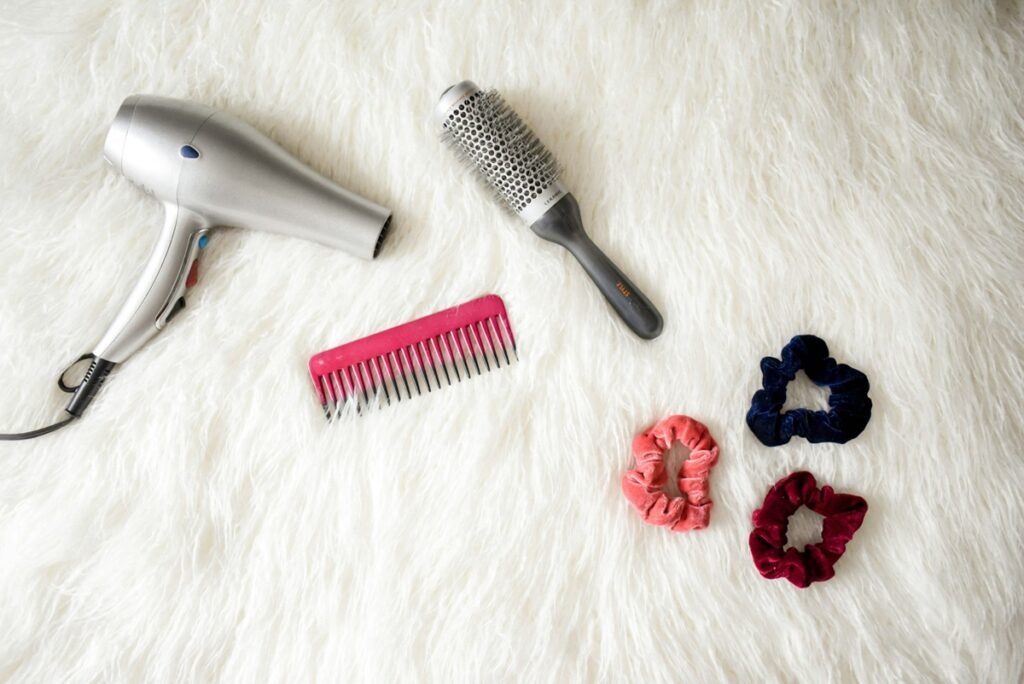
Choosing the right hair dryer can feel surprisingly complicated. With so many options on the market, terms like “ionic” and “ceramic” often show up, but what do they mean for your hair? More importantly, which one suits your routine better?
If you’ve ever wondered why one hair dryer leaves your hair smoother while another gives you more volume, the answer usually lies in the technology behind it. Let’s break it down in a way that helps you decide.
Understanding the Basics of a Hair Dryer
Before diving into the differences, it helps to understand what a hair dryer really does. At its core, it uses heat and airflow to evaporate water from your hair. The way that heat is distributed, however, can significantly affect how your hair looks and feels afterwards.
This is where ionic and ceramic technologies come in. They don’t just dry your hair—they influence texture, shine, frizz, and even long-term hair health.
What Is an Ionic Hair Dryer?
An ionic hair dryer works by emitting negatively charged ions. These ions break down positively charged water molecules on your hair, allowing moisture to evaporate faster.
What this means for your hair:
- Faster drying time: You spend less time exposing your hair to heat
- Reduced frizz: The negative ions help seal the hair cuticle
- Smoother finish: Hair tends to look shinier and more polished
If you often struggle with frizz or have thick, coarse strands, an ionic hair dryer can make a noticeable difference. It’s particularly useful in humid conditions where hair tends to puff up quickly.
What Is a Ceramic Hair Dryer?
A ceramic hair dryer, on the other hand, focuses on even heat distribution. The internal components are coated with a ceramic material that heats up consistently and gently.
What this means for your hair:
- Even heat: Reduces the risk of hot spots that can damage hair
- Gentler drying: Ideal for fine or delicate hair
- Better control: Helps maintain natural texture and volume
If your hair is prone to damage or feels fragile, ceramic technology offers a more balanced and controlled drying experience.
Ionic vs Ceramic: The Real Difference
The main difference isn’t about which one is “better” overall, but how they treat your hair during the drying process.
Drying Speed
- Ionic dryers win here. They significantly cut down drying time, which can be helpful during busy mornings.
Hair Texture After Drying
- Ionic dryers create a sleek, smooth finish
- Ceramic dryers maintain natural volume and softness
Heat Distribution
- Ceramic dryers provide more consistent heat
- Ionic dryers focus more on moisture breakdown than heat control
Suitability by Hair Type
- Thick, frizzy, or curly hair: Ionic works well
- Fine, thin, or damaged hair: Ceramic is usually safer
Can You Get the Best of Both?
Yes, many modern hair dryers combine ionic and ceramic technologies. These hybrid dryers offer fast drying along with even heat distribution, making them versatile for different hair types.
If you style your hair frequently or share a dryer with family members with different hair textures, this option can be a smart investment.
Choosing Based on Your Hair Type
Picking the right tool becomes easier when you consider your natural hair characteristics.
For Curly Hair
Curly hair tends to be drier and more prone to frizz. An ionic hair dryer can help smooth the cuticle, but it’s important not to over-dry your curls.
Pair your drying routine with a good leave in conditioner for curly hair to maintain hydration and definition. This combination helps your curls stay soft instead of turning brittle.
For Straight Hair
If your hair is naturally straight but lacks volume, a ceramic dryer can help preserve body while still drying efficiently.
For Damaged or Chemically Treated Hair
Heat control is crucial here. A ceramic hair dryer is a safer choice because it minimises uneven heat exposure.
A Few Practical Haircare Tips
No matter which hair dryer you choose, how you use it matters just as much as the technology itself.
1. Don’t Skip Heat Protection
Always apply a heat protectant before using a hair dryer. It creates a barrier that reduces moisture loss and damage.
2. Towel-Dry First
Avoid using a hair dryer when your hair is dripping wet. Gently towel-dry to remove excess water and cut down drying time.
3. Keep the Distance
Hold the dryer at least 15–20 cm away from your hair. This prevents concentrated heat from damaging specific sections.
4. Use the Right Attachments
A diffuser works well for curly hair, while a concentrator nozzle helps with sleek styling.
5. Finish with Cool Air
Most hair dryers come with a cool shot button. Use it at the end to lock in your style and add shine.
Common Mistakes to Avoid
Even the best hair dryer won’t give great results if used incorrectly.
- Using maximum heat all the time: This can weaken your hair over time
- Over-drying: Stop when your hair is just dry, not parched
- Skipping conditioning products: Especially important for textured hair
If you regularly style your hair, small habits like these can make a big difference in maintaining its health.
Which One Should You Choose?
There’s no one-size-fits-all answer, but a simple way to decide is to focus on your priorities.
- If you want speed and smoothness, go for ionic
- If you want gentle, even heat, ceramic is a better fit
- If you want balance, look for a dryer that combines both
Think of your hair dryer as part of your overall routine, not a standalone tool. The right combination of drying technique, products, and care will always give you better results than relying on technology alone.
Conclusion
The difference between ionic and ceramic hair dryer technology comes down to how they interact with your hair’s moisture and structure. One speeds up drying and reduces frizz, while the other focuses on controlled heat and protection.
Understanding this makes it easier to choose a tool that actually works with your hair instead of against it. And once you pair the right dryer with thoughtful haircare habits, you’ll notice the results not just in how your hair looks, but also in how it feels over time.





 By Business Scoops.